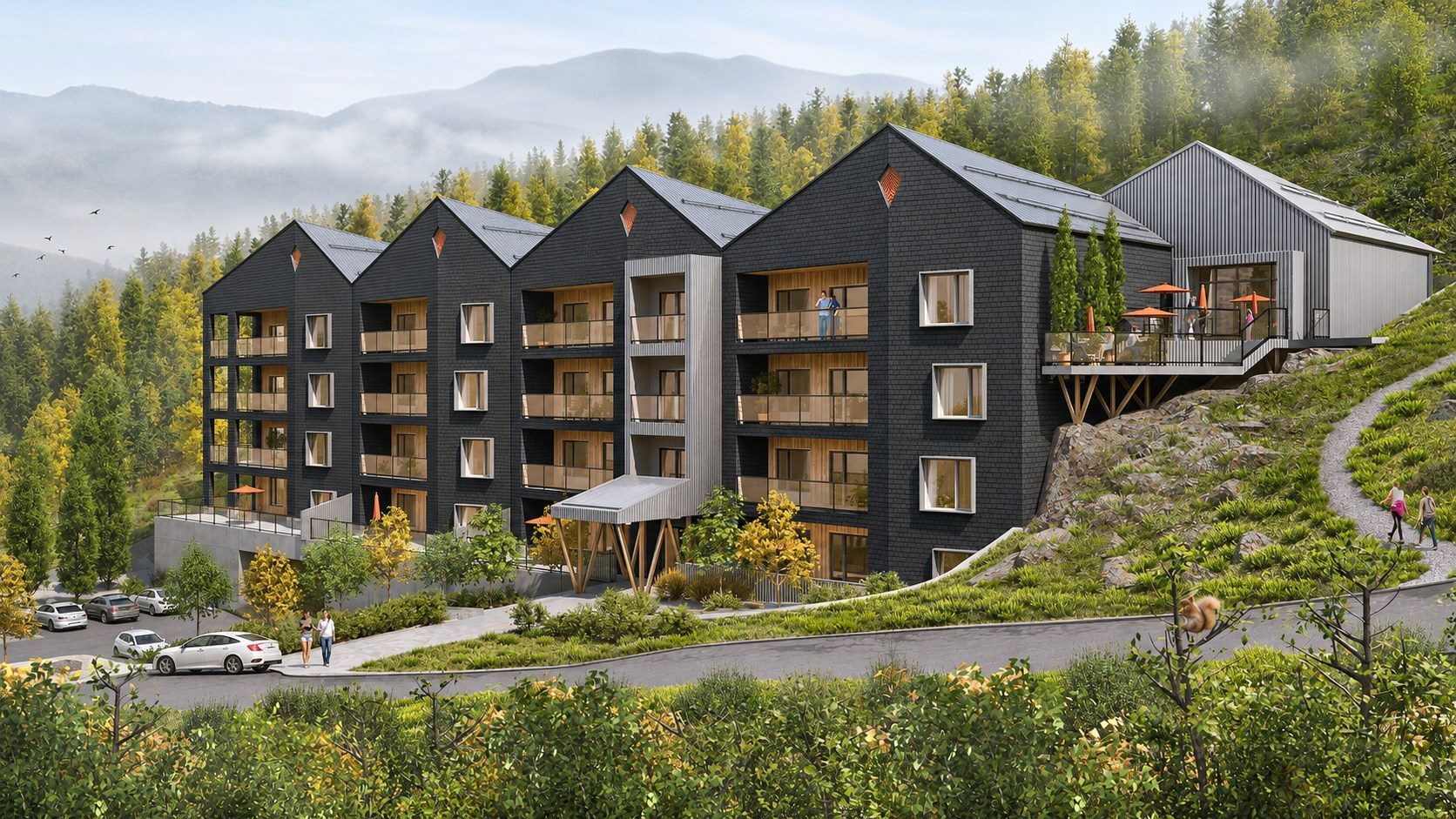
Most development teams start with an architect. A concept is drawn, then the team discovers what the market, the lender and the zoning will actually support, and the design is reworked, sometimes more than once. Each round costs fees and, more importantly, months of carrying costs.
We reverse that sequence. The building is set by the numbers that make it financeable, and design is engaged once the optimal financial model has set the framework.
Start with several pathways, not one concept
A site rarely has only one viable future. We model the realistic development pathways side by side: asset mix, tenure, phasing and capital structure, each as a complete financial model with backed-up costs. Comparing them early shows which pathway carries the strongest returns, the most resilient financing and the shortest absorption horizon.
Optimize against the market as it is today
Each pathway is tested against real-time analytics: market rents, hotel nightly rates where hospitality is in the mix, debt coverage ratios and take-out financing terms such as those available through CMHC. A model built on current data reflects what lenders and investors will underwrite, not what was true when the site was acquired.
Test the zoning before committing to it
An improved zoning can add significant value through density, but it also adds time and carrying costs. We model the existing zoning against an achievable improved zoning and weigh the extra time against the improved appraisal and the operating returns the added density unlocks. Sometimes the answer is to rezone; sometimes the better project fits the zoning already in place.
Recycle capital across phases
Where a site carries several vertical buildings, each phase can be sized so that its take-out financing provides the equity contribution for the next. Capital recycling reduces the equity a project needs and accelerates the program, but only if the phasing is designed for it from the start.
Then engage design
With the framework set, the design team draws a project that already works: the right building type, the right scale and the right program within the existing or target zoning. Fewer redesigns, faster approvals and a project lenders can support from the first submission.
This is the sequence behind every Optimum engagement, and it is why we describe ourselves as operating far beyond traditional construction management.